Heritage Action Plan discussed by Council

At last night’s Committee of the Whole meeting, Borough Council heard a summary of the Draft Heritage Action Plan. There was a lively discussion about various aspects of the HAP, the collaboration that’s already underway, and the four projects that could receive implementation funding from the Schuylkill River Greenway Association. Council will vote on whether to adopt the plan at Monday’s regular meeting.

Below is a copy of my statement to Council. I had typed it and timed it; otherwise I would not have kept to the time limit or gotten in the many points I wanted to make. Tom Carroll followed up with some wonderful maps and graphics showing the planned Trail connections and extension, as well as details for the four proposed projects that are eligible for the $25,000 in implementation funding that’s available now.

Pottstown’s history is tied to the river and the railroad, from the Colonial era through the Industrial Revolution, up until today. Marketing downtown Pottstown as a Trail Town and a heritage destination seems like a real solid story to tell because it is real. It is authentic. And that’s what heritage tourists are looking for.

My presentation to Council regarding the Draft Heritage Action Plan:

I’d like to thank Council for inviting us here tonight and the Borough for having Tom and me work on a Heritage Action Plan for Pottstown. I’m going to give an overview and set the stage for Tom to show you the nuts-and-bolts of the next steps and how some of the proposed projects could look, on the ground.

We’re here because the Borough received a $2,000 planning grant from the Schuylkill River Greenway Association to create a plan that identifies, assesses, protects, manages and helps promote Pottstown’s heritage resources, all with an eye toward economic development and revitalization downtown. The idea is to get bikers, hikers and paddlers out of Riverfront Park and up to High Street, where they can spend their recreation and entertainment dollars, and to extend the Schuylkill River Trail on the existing bike lanes, down High Street, to the Post Office, down Madison Street and over to Pollock Park, which would become the new terminus of the Trail, heading east toward Chester County and Philadelphia.

We’re asking Council to consider adopting this plan and the general principles within it so that Pottstown can seek additional funding on the way to becoming known as a Trail Town and a destination for heritage tourists.

When we use the term “heritage resources,” we’re talking about the River and the Schuylkill River Trail along with the many other recreational, historical, environmental, arts and cultural resources that make Pottstown unique. The Schuylkill River Trail will eventually extend 120 miles between Philadelphia and Pottsville. It is well-documented that trails of this length become travel destinations for bikers and hikers interested in multi-day trips. These kinds of travelers are looking for authentic towns that provide one-of-a-kind experiences – whether that is local history, art, music, bed-and-breakfasts, fine dining or diner fare. Pottstown is going to be right in the middle of the Trail,and it needs to establish itself as a must-see destination among Trail users.

Probably the most important concept we could all take away from this plan is that Heritage Tourism IS Economic Development. Heritage tourism is just about a perfect framework for Pottstown to position itself as a lively downtown with arts, cultural and educational anchors that understand the historic link to the River and are proud of that and united in promoting it.

As to the plan and the process: we brought together representatives from the major organizations in town for a couple meetings and communicated with them via email and blogs. We got input on a vision, an inventory and assessment of Pottstown’s resources, and a ranking of projects that would be desirable to do if/when funding becomes available. Anyone who participated is known as a “Partner.” They are listed beginning in the plan. It is expected that the list of Partners will continue to evolve and that organizations and individuals will continue to collaborate and the Borough will tap them when appropriate to solicit in-kind services or financial support to do various projects.

There is some urgency in the Borough adopting this plan. Upon adoption, there is $25,000 available now from the Greenway and the William Penn Foundation for Pottstown to improve trail connections, improve way-finding and improve marketing of the Trail. Those funds would need to be spent by May of 2012.

I’d like to draw your attention to the ranked list of 42 potential heritage related projects on pp. 29-30. Ideally, the Borough and various partners would steadily chip away at this list on the way to making downtown Pottstown a clean, welcoming place that is attractive to residents and heritage tourists alike. Many of these are not eligible for the $25,000 currently available. Four projects, however, do meet the criteria. They are:

 #6 Creating trail connections between Riverfront Park & High Street and from High Street to Pollock Park

 #28 Creating and installing 3 informational kiosks in Riverfront Park, Pollock Park and downtown

 #18 Creating a comprehensive brochure of Pottstown’s heritage resources to be included in the kiosks as well as in local businesses and at the Chamber & PDIDA offices

 #36 Creating a trail friendly decal for display by local businesses who offer rest rooms, water or discounts to trail users.

These were chosen because they fit the funding criteria, would make a visible impact, and could be completed by the May 2012 deadline. Before I turn it over to Tom to give you some more details on those, I’d like to close by emphasizing that the heritage action planning process itself has already gotten various Partners collaborating.  Plans are in the works to get the marketing folks from the major arts & cultural organizations together in September to collaborate on events and the calendar for 2012 so that, as much as possible, everyone is promoting everything, with one voice.

We also realized that offering historic walking tours to the public during major events like July 4th, Carousel of Flavor, and Open Doors would be a way to draw attention to Pottstown’s history and possibly raise funds for the Historical Society. We’re in the investigation stage, with Mike Snyder of the Historical Society taking the lead, in figuring out if/how that could happen with trained tour guides. This is what we mean when we call the Heritage Action Plan a “living document.” It can continue to evolve as the community sees fit. And it can be used to support future grant applications. This is all really exciting to see unfold. Thank you again and now I’ll turn it over to Tom.

National Night Out this Tuesday

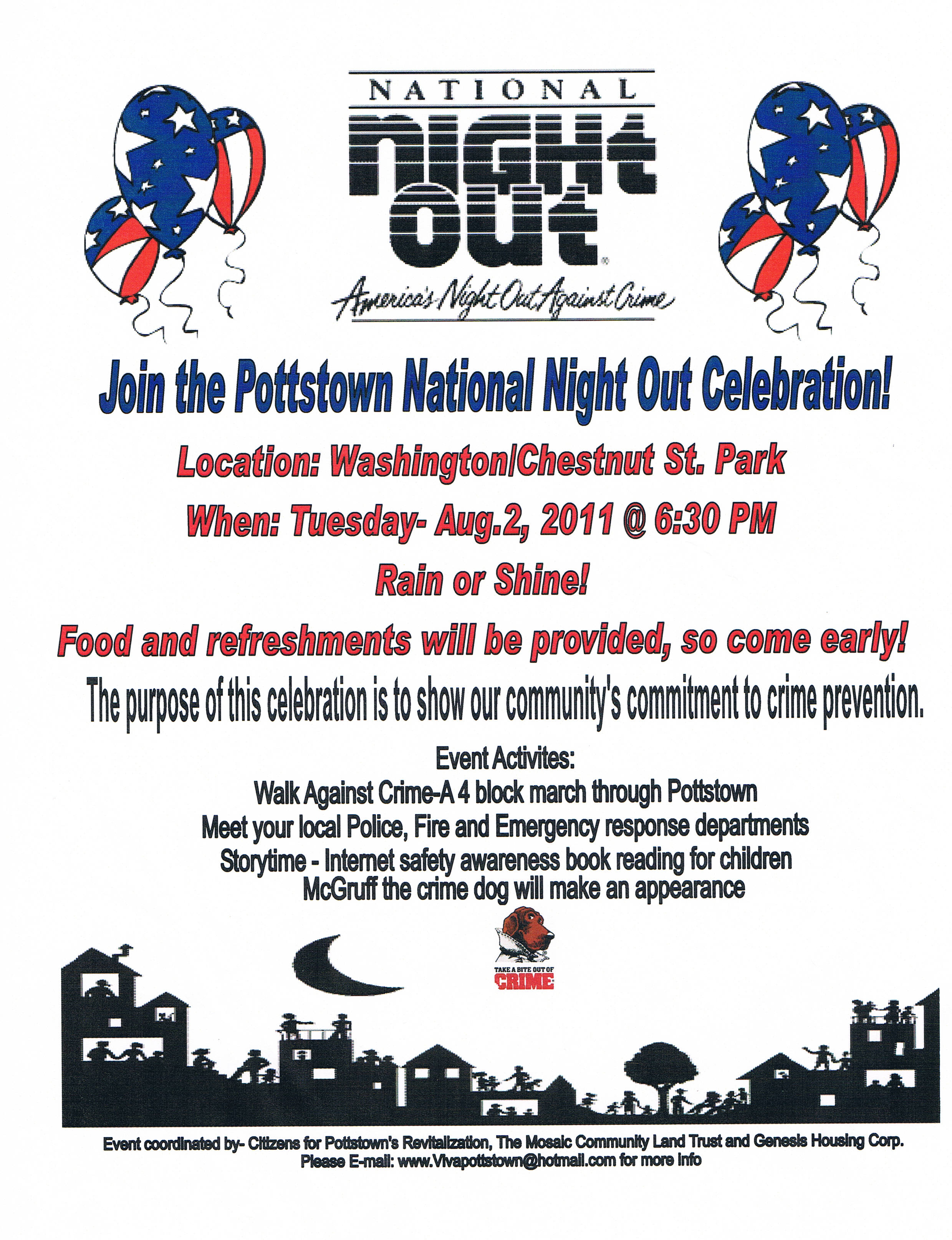
Below are details for National Night Out, America’s night out against crime. Events are taking place in different locations around Pottstown. I’ll be at Washington/Chestnut Street Park with my sister, Michele Dunleavy, the girls’ varsity basketball coach at Phoenixville. We’ll be running some passing and dribbling games with the younger kids. There are lots of activities planned to bring the community together around crime prevention.

See you there! 

Pottstown Cluster ribbon-cutting today

The Pottstown Cluster of Religious Communities is holding its Grand Opening and Ribbon Cutting Ceremony today from 3-5 pm at their newly renovated building at 57 N. Franklin Street (the corner of Franklin and King Streets, in the former American Legion building.) This milestone is the culmination of a $1 million capital campaign.

The Cluster offers “A Hand Up… Not A Handout.” They provide a wide range of assistance programs to community members in need. Their philosophy is succinctly stated on their website: “Through interfaith cooperation, the Pottstown Cluster of Religious Communities addresses the spiritual, social and basic needs of persons within the Greater Pottstown community. Our programs and referrals are coordinated to help individuals make real progress in moving from dependence to productive self-sufficiency.”

Come check them out today at their new location, visit their website, and perhaps learn how you can help, too.

Pottstown’s 4th of July makes Channel 6 News

Thanks to resident Debby Penrod for reporting that Pottstown’s long-standing Fourth of July celebration made the Channel 6 news. See the video here.

The comment near the end about the event being funded through private donations, rather than tax dollars, will surely strike locals as a skimming of the surface of the very real difficulty of funding the event. The many volunteers who make this and many other community events happen are to be commended for all their hard work and dedication throughout the years.  Unfortunately, it’s no longer business-as-usual for the private or public sectors. There’s got to be a new modelof broader and more innovative collaboration in order to keep these community events going — if they are to keep going at all.

Balloon lifts off

As part of the Heritage Action Plan process that took place this spring – the plan is in the final stages of being drafted – it was noted that Pottstown is the host for local and regional events just about every month out of the year.  See list below.

What does this have to do with raising money for the Fourth of July? The marketing of these events is left up to the individual organizations who run them. Pottstown, as the home of these events, does not “claim them” as their own, supplementing and coordinating with the existing marketing. Imagine the events on this list always being promoted together, wrapped up in a simple, cohesive branding message,  on the Borough, PDIDA, PACA and (eventually) PAID websites.

Pottstown would suddenly look like a place where something fun is always happening. Potential visitors would see the pattern and realize that there is fun and safe entertainment to be found in Pottstown on a regular basis. This is a crucial step (among many others) toward marketing Pottstown’s empty storefronts, industrial space and housing to newcomers — and this is where new donors, volunteers and organizational partners can be found to help keep traditional community events like the Fourth of July going. Donors, especially, want to feel like they are supporting not only a worthwhile cause but a “winning” cause.

Pottstown already has a winning line-up. It just needs to flesh out a couple months, come up with the message (speak with one voice!) and market the hell out of it. 

And just because I can’t help myself, here are a few ideas to toss onto the table:

January – continue the winter holiday spirit with Friday Night Lights downtown with literary readings, music and hot cider at multiple venues; bring in outside talent as well as locals, including students from all schools.

February – come up with a Valentine’s Day-themed event or weekend; schedule historical walking tours and coordinate with Pottsgrove Manor & Historical Society programming over Presidents’ weekend.

March – St. Patrick’s Day Pub Crawl (Brickhouse, Frankie & Johnnie’s, Pourhouse, Jack Cassidy’s)

April – Repent from Pub Crawl by focusing on Easter season events and holding historic church tours every weekend; add outdoor activities such as Schuylkill River bike and kayak tours every weekend.

November – Open up the holiday season with Pottstown Pie Festival. Re-claim Mrs. Smith and our pie-making heritage!!

Festivals/Special Events in Pottstown, by month

 January – Polar Bear Plunge

 February – ?

March – ?

 April – Easter/Cross Walk

 May – BMX National Event; Classic Car Show

 June– Schuylkill River Sojourn; Soap Box Derby; Volleyball Rumble; Summer Solstice/Dog Show; Classic Car Show

July – July 4th; Classic Car Show

August – Classic Car Show

 September – Carousel of Flavor; Open Doors; Classic Car Show

October –Schuylkill River Festival; Halloween Parade; Shiver on the River

 November – ?

December – Candlelight House Tour; Hometown Holiday Celebration

MCCC Begins Phase II on Riverfront Center

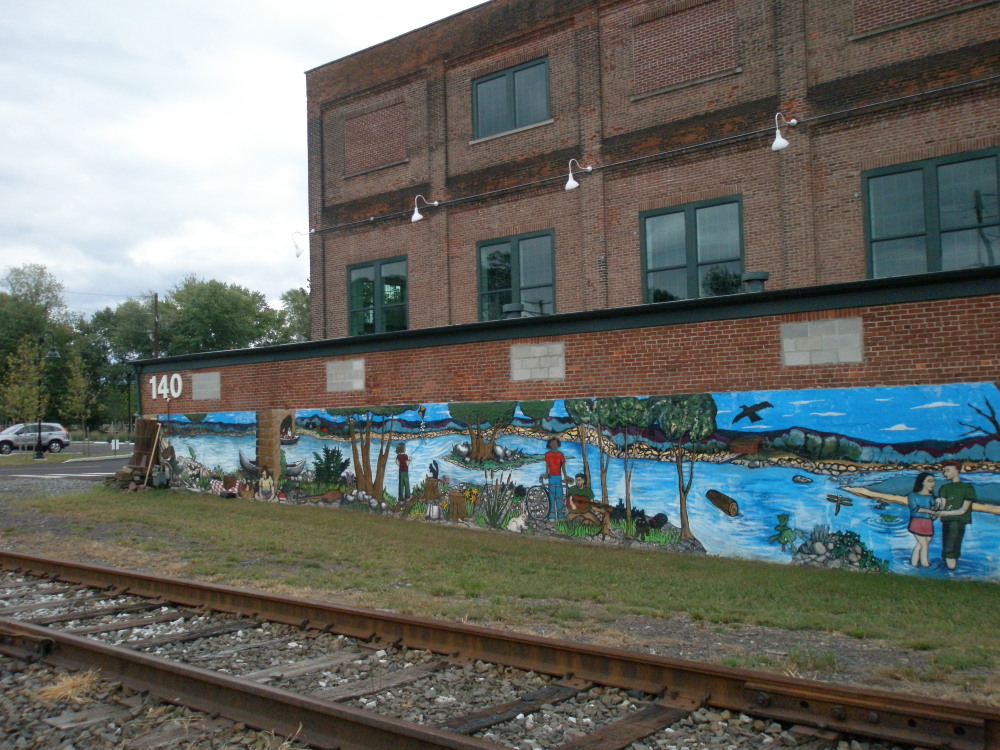
I recently received the following press release from Montgomery County Community College and added the photo so readers would know what building is being renovated.

140 College Drive


June 15, 2011, Pottstown, Pa.—As residents of Pottstown and its surrounding communities head to theSchuylkill River and its trails for recreation this summer, they will see a flurry of activity at 140 College Drive – the future home of the Riverfront Academic and Heritage Center.

Montgomery County Community College is currently in phase II of the renovation that will transform the facility, commonly referred to as “the old PECO building,” into a state-of-the-art educational center. Phase II work includes improvements to the building’s infrastructure and exterior envelope, including the installation of sustainable features that will support LEED certification.

Specifically, phase II will include replacement of the building’s aged, leaking roof with an eco-friendly green roof, along with the installation of energy efficient windows. A new entrance and handicap-accessible ramp will also be created. Phase II work is slated for completion in September.

When funding becomes available, phase III work will focus on the building’s interior, including the development of classrooms, offices and student spaces. A variety of sponsorship and funding opportunities are available to help bring the proposed Riverfront Academic and Heritage Center to fruition. To learn more, visit www.mc3.edu/giving or call the College’s Foundation at 215-641-6535.

The completed Center will provide space for four college classrooms equipped with SMART technology, a state-of-the-art laboratory that will support the College’s Environmental Science degree program, and an interpretive center that will provide educational, historic and tourist information about the Schuylkill River Heritage Area (SRHA).

In May 2010, the College completed phase I of the project by renovating the site’s parking lot. Renovations included removing contaminated soil, installing underground drainage facilities, adding clean fill, installing a blacktop cap to protect the groundwater table, and constructing three bio-retention basins to capture stormwater runoff. Installation of LED lighting and the placement of more than 130 trees, shrubs and bushes make the lot more sustainable.

The building at 140 College Drive served the Pottstown community as an electrical generating station starting in 1911.  After sitting vacant for a number of years, the building and three-acre site were purchased by the Borough of Pottstown. The College secured ownership of the site in April 2009, and enjoys a unique partnership with the SRHA, which leases office space in the building.

The Evolution of Bullying

This is the third article in a series on bullying, provided by the Pottstown Area Health & Wellness Foundation.

THE EVOLUTION OF BULLYING:

FROM SCHOOLYARD TO CYBERSPACE

By: David Kraybill, Executive Director, Pottstown Area Health & Wellness Foundation

Would you be surprised to know that according to current statistics released by the U.S. Department of Justice 77% of students admit to being bullied mentally, verbally or physically according to a recent national survey? That translates to one in four kids being bullied. Eight percent of students miss one day of class per month from fear of bullies. One out of five kids admits to being a bully or doing some bullying. You may not only be surprised, but downright alarmed.  Unfortunately, bullying is a widespread and serious problem. It’s not a phase children have to go through, it’s not just “kids being kids,” and it’s not something children will grow out of. Bullying is a serious situation that can cause lasting harm to both the victim and the bully.

Granted, bullying has been around forever. So why is it only now getting the attention it deserves? Is it because there is now global awareness that children are committing suicide from being bullied? Is it because there are now other, sneakier ways to bully than the schoolyard, such as cyberbullying? Is it because it’s now affecting a larger number of kids than ever before? Yes, yes and yes.

Definition of Bullying
Bullying is aggressive behavior that is intentional and involves an imbalance of power or strength. It involves repeated acts; physical, emotional and/or inappropriate social behavior; it is intentional, controlling and hurtful; and it is a learned behavior, sometimes as early as age two. Bully power comes from physical size and strength, verbal skills, popularity and gender.

Physical or verbal bullying includes hitting, kicking, pushing, tripping, name-calling, cruel teasing, threatening and/or intimidating words, sexual harassment, ethnic slurs, spreading rumors, group exclusion, stares and glares, unreasonable territorial bans, and destruction of property. Cyberbullying includes the creation of insulting or threatening websites; ISP warning wars; harassing instant messages, emails or text messages; chat room gossip; rating sites/internet polling; suicide sites; conspiring and excluding online; impersonation, password stealing, and harassment during online games.

Statistics indicate bullying is more prevalent in middle school (grades 6-8) than in senior high school. Emotional or verbal bullying is the most common form of bullying with pushing, shoving, tripping and spitting on someone being the second most common form. Cyberbullying, however, is more prevalent in the last three years of high school than in grades six through nine.

Portrait of a Bully
Of course, there is no typical bully, but there are various behaviors that bullies or potential bullies may exhibit. These include:
• Demonstrating aggressive behavior with others including parents and teachers
• Frequently hitting or pushing other children
• Seeking to dominate and or manipulate
• Enjoying feeling powerful and in control (whether real or not)
• Being physically strong and socially dominant

• Appearing to derive satisfaction from other’s fears, discomfort or pain, and lacking empathy  for others

• Being emotionally immature, irresponsible and not accepting responsibility for their actions

    • Hiding bad behaviors or doing them where adults cannot notice
• Displaying uncontrolled anger and an intolerance and prejudice toward others

Bullies often have assistants or watchers that help them carry out the bully behavior. Multiple studies have shown that peers are present in more than 85 percent of bullying incidents. Many times the watchers want to be accepted by the bully and his or her group or fear that the bully will turn on them if they intervene. Watchers also develop a logic that the victim deserved it, and they don’t really see the victim as a person. Unfortunately, watchers do not consider the consequences of their actions or those of the bully. Some researchers actually believe that the watchers and witnesses to the bullying are the key to eliminating bullying behavior because this group is the sizable majority in any school.

Portrait of a Victim
Unfortunately, no child is immune to being bullied, but there are certain types of kids who may be more susceptible to being a victim—including popular children. Bullies tend to pick on kids who:
• Are anxious, insecure or cautious
• Suffer from low self-esteem
• Are the most popular
• Are isolated or quiet
• Rarely defend themselves or retaliate when confronted
• Lack social skills and friends
• Tend to be close to their parents or may have overprotective parents
• Are minorities, physically disabled or have a visible defect

The effects of bullying, whether a child is the victim or the aggressor, can last a lifetime. Behaviors, attitudes and hurts can manifest over time if left unaddressed, and become ways that children use to define themselves as they grow into adulthood. Long-term effects can include delinquent or criminal behavior such as incarceration or gang activities, as well as decreased self-esteem, long-term depression, becoming an adult bully at home or in the workplace, or becoming a child- and/or spouse-abuser.

If your child is a victim of bullying or is a bully, the first place to start is to recognize and acknowledge what is happening, and then find resources that can help you work together as a family to resolve the situation. One such resource is The Pottstown Area Health & Wellness Foundation’s Mission Healthy Living website. You can view webisodes that address various topics on bullying and feature expert local guests at http://www.missionhealthyliving.org.
About the Foundation  The Pottstown Area Health & Wellness Foundation’s mission is to enhance the health and wellness of area residents, providing education, funding and programs that motivate people to adopt healthy lifestyles. Visit www.pottstownfoundation.org for more information about the Foundation. Discover Pottstown area’s new online community at www.missionhealthyliving.org to learn and share great information on how to lead a healthier life!

What to do when your child is being bullied

This is the second article in a series on bullying, provided by the Pottstown Area Health & Wellness Foundation.

WHAT CAN PARENTS DO WHEN THEIR CHILD IS BEING BULLIED?

Plus, Tips To Help Kids Heal And Move On


By: David Kraybill, Executive Director, Pottstown Area Health & Wellness Foundation

It’s a helpless feeling when you know your child is hurting and you’re not sure how to fix the problem or even where to begin. What would you do if you discover your child is being bullied? Your initial inclination might be to stop the bullying, but that may actually do more harm than good.  But, there are things that can be done to begin to alleviate the situation and work toward a resolution.

What You Should Not Do
Once you’ve determined your child is being bullied, you may think it’s a good idea to call and talk to the bully’s parents. This can be detrimental, especially if the child you think is the culprit is not the right child—this can be especially true with cyberbullying. Also, if the parent does take action and punish his or her child, the child may turn around and make even more trouble for your child.

Trying to mediate a bullying situation yourself by bringing together your child and the bully to “work it out” is not a good idea either. It may further traumatize your child and send the wrong message to both parties. Remember, bullying is a form of victimization; it’s not a conflict. Other things that parents should not do include:

• Asking your child to solve the bullying problem. The child will likely suffer further. This is not
something that will go away on its own and requires adult intervention.
• Advising your child to fight back—this may violate a school conduct code and your child may be
seriously injured. Plus, answering violence with more violence only perpetuates the problem.
• Blaming your child. It’s likely she has done nothing to provoke the bullying. However, have an honest
look at your child’s social skills and behaviors. If your child is hyperactive, impulsive or overly
talkative, the bully may be reacting out of annoyance. This doesn’t make the bullying right, but
it may offer an explanation. If your child easily irritates people, seek help from a counselor so that your
child can better learn the informal social rules of his or her peer group.
• Allowing or encouraging your child to respond to threatening messages or texts—this can backfire on
your child. Don’t respond, and start to save all evidence.

What You Should Do
There are three major steps parents should take when they find out their child is being bullied or cyberbullied.

Step One – Gather Information
Many kids are embarrassed to say they have been bullied—you may have only one chance to step in—so listen carefully and learn as much as you can. It’s important to take the bullying seriously. You also should emphasize with your child that bullying is wrong, not his fault and praise him for telling you about it. As you’re talking, gather all the information on what has been happening—where, when, how, who. Then create a written record and have your child start to keep a journal of all instances. If the bullying is or includes cyberbulling, keep all texts and emails, and print out and SAVE all evidence. Don’t wait until your list gets longer or your child’s journal fills up—it’s important to address the situation as soon as you are aware of it, but continue keeping track of the situation. Be sure to keep the lines of communication open with your child.

Step Two – Contact the School
If the bullying is occurring at school make the school aware of the situation. You should also ask to see the school’s bullying policy. The school should investigate your concerns and inform you of the outcome. Give them a reasonable amount of time to investigate both sides of the story—however, it should not take more than a week. Do not expect that you will be part of any meeting with the children involved or your child. This could be embarrassing and intimidating for your child. If the bullying continues and the school is not doing anything else, you should contact school administrators or the superintendent for help. Don’t give up. Remain persistent and ask that you are kept informed at all times.

If the bullying does not occur at school, it is still a good idea to alert your child’s teacher or principal so they are aware of the situation and can watch for any unacceptable behaviors.

Step Three – Educate Your Child
While the bully situation is being addressed, take time to educate your child about how to act if a bullying episode occurs. First, she should just avoid the bully as best she can. If she must see the bully, your child should put on a poker face and act as though the bully’s behavior does not bother her and walk away as soon as possible. You can also teach your child safety strategies, like seeking help from an adult if she feels threatened. Above all else, make sure your child has a safe and loving home environment where she can take shelter and express her feelings in a non-judgmental way.

After Care
After your child has been the victim of bullying and it has come to an end, there are ways to help your child become more resilient to bullying and maybe prevent further incidents. Suggest and facilitate activities for him to get involved in, like music, sports or art outside the school environment—a fresh start with some new peers can build confidence. Encourage him to make contact with the friendlier students—his or her teacher may be able to suggest such students. You can also role-play how your child should react if someone starts to bully him again. It might seem awkward at first, but it will give your child practice in being assertive and brave, but not aggressive. He needs to feel he can retain power in a bullying situation.

Unfortunately, the effects of bullying can last a lifetime if left unaddressed. Behaviors, attitudes and hurts can manifest over time and become ways that children use to define themselves as they grow into adulthood. Long-term effects can include decreased self-esteem, long-term depression, anxiety, loneliness, withdrawal, suicidal ideation, and actually becoming an adult bully at home or in the workplace, or becoming a child- and/or spouse-abuser.

So remember, the most important thing to remember is do not keep quiet about bullying incidents. Hold the bully accountable for his or her actions, because no child should have to suffer in silence and hope it goes away—it won’t.

About the Foundation  The Pottstown Area Health & Wellness Foundation’s mission is to enhance the health and wellness of area residents, providing education, funding and programs that motivate people to adopt healthy lifestyles. Visit www.pottstownfoundation.org for more information about the Foundation. Discover Pottstown area’s new online community at www.missionhealthyliving.org to learn and share great information on how to lead a healthier life!

Signs Your Child May be Bullied

This week we’ll be running a series of articles on bullying from the Pottstown Area Health & Wellness Foundation. Bullying, which is usually hidden from adults, can have long-lasting physical and emotional consequences for the victims. Please check out these articles and if you find them helpful, pass them along to parents and other adults in your network. I also invite you to check out the newest online community for living a healthier life at www.missionhealthyliving.org .

WHAT ARE THE WARNING SIGNS THAT YOUR CHILD

MIGHT BE BEING BULLIED?

By: David Kraybill, Executive Director

Pottstown Area Health & Wellness Foundation

You’ve been noticing your child is not quite himself or herself lately. You cannot exactly pinpoint it, but there is something wrong. Is he moody and angry because his hormones are kicking in? Is it just that typical tween or teenager “attitude” rearing its head? Hey, no child is enthusiastic about going to school all of the time, right?

If these questions have crossed your mind, you may be trying to justify your child’s change in behavior. Of course, it very well could be hormones or that he or she would just rather be doing something else besides going to school that day. However, resist the urge to brush this change in behavior under the rug or think it will go away. You know your child best, and if his or her behavior is sudden or out of character, delve deeper.

There are many reasons a child may be acting out of character, but one might be that he is being bullied at school or is being cyber-bullied. And yes, it’s likely he did not tell you what is happening out of embarrassment or fear.

Portrait of a Victim
The rise in bullying is, unfortunately, a reality in our middle and high schools. The National Youth Violence Prevention Network reports that about 30 percent of students (more than 5.7 million young people) are involved in bullying—either as the bully, the one who is bullied, or both. So, it’s very likely that incidences involving bullying will touch your child’s life at some point. So, while no child is immune to being bullied, there are certain types of kids who may be more susceptible to being a victim. Bullies tend to pick on kids who:

• Are anxious, insecure or cautious
• Suffer from low self-esteem
• Are the most popular
• Are isolated or quiet
• Rarely defend themselves or retaliate when confronted
• Lack social skills and friends
• Tend to be close to their parents or may have overprotective parents
• Are minorities, physically disabled or have a visible defect

Warning Signs
There are a number of warning signs parents can look for that indicate their child may be being bullied. While no one warning sign below creates a case that your child is being bullied, these are signs that you should not be ignore and you should investigate further with your child.

Sudden change in attitude toward school – adolescent teens change their attitudes, likes and dislikes with super speed, but if your tween or teen’s attitude changes suddenly and dramatically and she no longer has an interest in going to school or doing her schoolwork, then it warrants further investigation.

Seems afraid of going to school, walking to and from school, riding the bus or participating in organized activities with peers – if a child is being bullied, she is going to make every effort to avoid any situation where she knows it is going to happen or be alone with the bully or with a group that is bullying. Another alert is if she starts to take an illogical or out-of-the-way route home.

Unexplained cuts, bruises or other injuries – kids fall, run into things (and each other), trip and slip, but there is a difference between run-of-the-mill bumps, scrapes and bruises and bully abuse. If your child starts to have frequent unexplained injuries, or has torn or ripped clothing he didn’t have before he left for school, it could be evidence of bullying.

Starts to lose or misplace belongings or money – kids can be absent-minded and not always the most responsible, but if your child is normally responsible and careful about his things and his money and all of a sudden things he cares about “go missing,” it could be because bullies are threatening him and taking his stuff and lunch money.

Significant drop in grades – imagine trying to get through the school day while dodging a gauntlet of threats, intimidating looks, physical harassment, etc. in the hallway at 45 minutes intervals. You are not going to be focused on your classes. The bully may have created a posse and an environment of fear and apprehension—all of which can lead to a less-than-stellar academic performance for the victim.

Persistent requests to stay home because of hard-to-prove illnesses, such as stomachaches or headaches – mental anguish can manifest itself as physical discomfort, and stress can lead to headaches, and fear can result in abdominal pain. When your child claims he is too sick to go to school or a school-related activity, this may be the truth or it may be a symptom of abuse-related anxiety. He could also have created a phantom sickness to avoid seeing the bully or bullies.

Changes in eating habits or sleep patterns – the effects of bullying don’t disappear the moment the abuser is out of sight. If your child is being bullied, the pain and fear won’t dissipate once the dismissal bell rings. In fact, with this age of technology, the end of school may signal just the start of a long night of cyber-bullying. This trauma can affect sleep and eating patterns.

Changes in social patterns, activities and friends – adolescence is a time of change, and tweens and teens can change friends and groups like the wind. But, if your child has suddenly abandoned old friends, withdrawn from once-treasured activities or lost interest in hobbies that once held great significance, it’s time to do a little digging. Again, you’re not only looking for changes, but changes that are sudden and unexplainable by your child.

Mood swings, angry outbursts or other emotional changes – yes, once again, this can be “typical” teenager behavior, but if your normally mild-mannered child suddenly turns into a walking basket case or has uncharacteristic outbursts, this is a sign something is wrong. Since bullying is very traumatic, and people respond to trauma in different ways, this may be misdirected repressed anger.

The effects of bullying can last a lifetime. Behaviors, attitudes and hurts can manifest over time if left unaddressed, and become ways that children use to define themselves as they grow into adulthood. Long-term effects can include decreased self-esteem, long-term depression, anxiety, loneliness, withdrawal, suicidal ideation, and actually becoming an adult bully at home or in the workplace, or becoming a child and/
or spouse-abuser.

If you suspect your child is a victim of bullying, the first place to start is to recognize and acknowledge what is happening, and then talk to your child and ask some subtle questions to probe further and understand the situation. The next step would be to talk to the school and the administration. The most important thing to remember is do not keep quiet about bullying incidents. Many times parents and children are afraid it will worsen if they tell someone, but this is another form of control that the bully forces on the victim. It doesn’t hold the bully accountable for his or her actions—no child should have to
suffer in silence and hope it goes away—it won’t.

About the Foundation

The Pottstown Area Health & Wellness Foundation’s mission is to enhance the health and wellness of area residents, providing education, funding and programs that motivate people to adopt healthy lifestyles. Visit www.pottstownfoundation.org for more information about the Foundation. Discover Pottstown area’s new online community at www.missionhealthyliving.org to learn and share geat information on how to lead a healthier life!

Pottstown’s weekend at a glance

Peter Pan, A Musical Adventure is in its final days at the Tri-County Peforming Arts Center! It runs through this Sunday, June 19. TriPAc is located at 245 E. High Street, Pottstown, PA 19464. This is the U.S. premier of a new version of Peter Pan, and, yes, it’s happening right here in Pottstown. Go to TrIPAC.org to order our tickets online now. You won’t want to miss it!

Get out of the gate early on Saturday, June 18 and check out the Pottstown Soap Box Derby race, sponsored by the Ambucs. It will take place on the Wilson Street hill off Farmington Avenue. Area kids will compete for the chance to run in the All-American Soap Box Derby in Akron, Ohio.

A Summer Solstice Celebration is happening at Smith Plaza tomorrow, June 18. It includes The Gallery School’s community yard sale and lots of live music. WPAZ will be broadcasting live from 10-noon. The Celebration also includes the 2nd Annual PottsMUTTster Dog Show from 9:00am to 2:00pm at Smith Family Plaza, right in front of Borough Hall in Pottstown, PA. Bring your pooch and compete for such honors as Best Singing Mutt and Best Mystery Mutt. REGISTRATION is from 9:00 am to 11:00 am. EVENTS take place from 11:00am to 2:00 pm. It all benefits the Montgomery County SPCA.

Also taking place tomorrow at Pottstown’s Riverfront Park is the 2nd Annual 5K/1M Race to Shelter the Homeless sponsored by Wings of Victory Outreach Corp. Riverfront Park is located at 140 College Drive.

Registration starts at 7:30am – Race starts at 8:30am. There’s a $30 registration fee – Moms & Dads with strollers are welcome!

Contact email: wings.victory@yahoo.com or visit their website at www.wingsofvictoryoutreach.org

Wings of Victory Outreach Corp. was formed to provide housing and life skills training for homeless or near homeless individuals. They offer a holistic approach and give a hand up by offering programs that develop self sufficiency through housing, employment, education, and character building. Participants gain the skills needed to function responsibly and effectively in daily life.  

And when you’re ready to unwind on Saturday night, head on over to Sunnybrook Ballroom for their weekly “Hot Summer Nights” at The Tiki Hut. There are drink specials, music and dancing for the 21 and over crowd. Sunnybrook is located at50 N. Sunnybrook Rd,Pottstown. Check out all their upcoming music and entertainment at http://www.sunnybrookballroom.net.

Schuylkill River Sojourn: A Day on the “Hidden River”

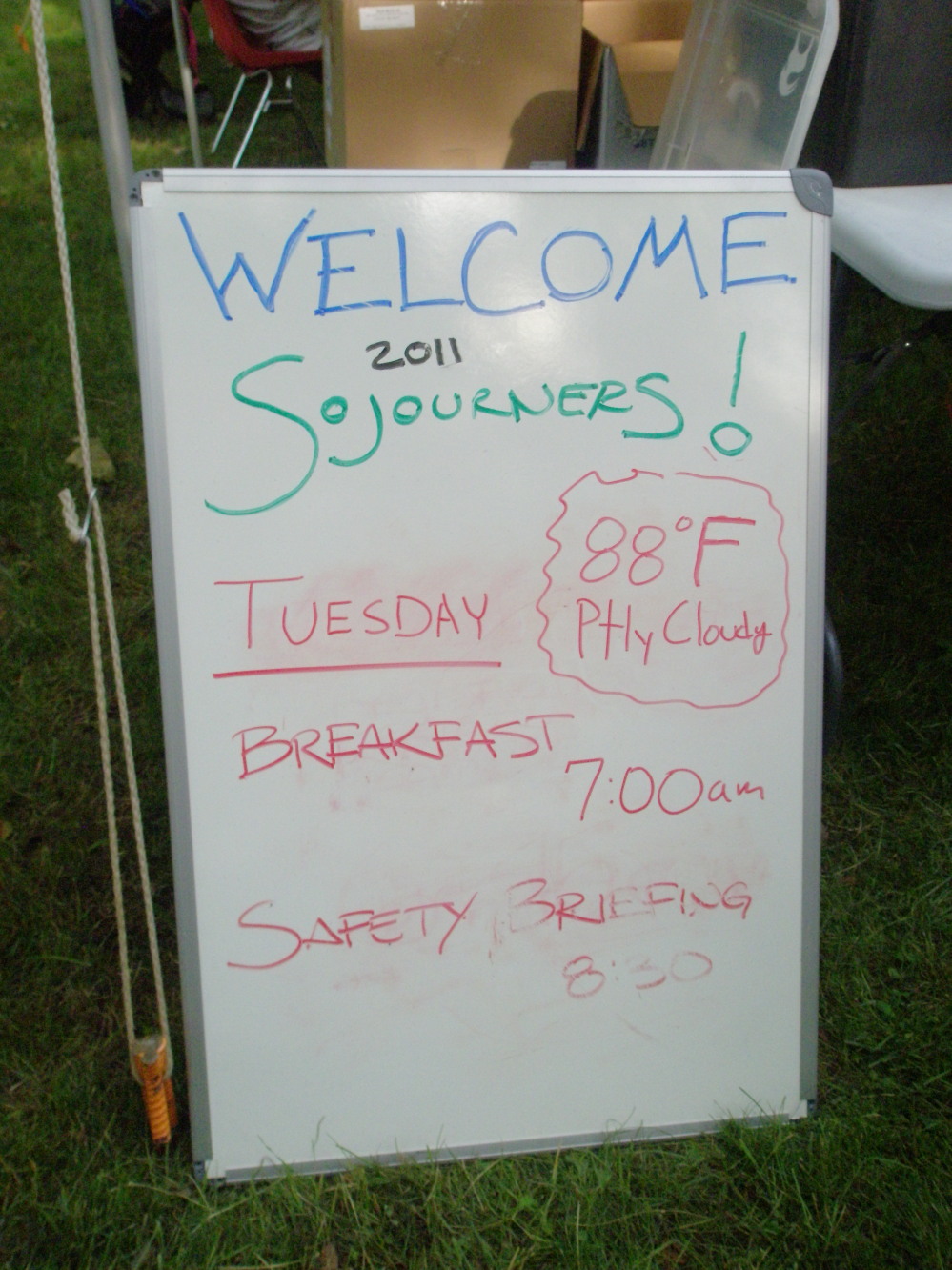
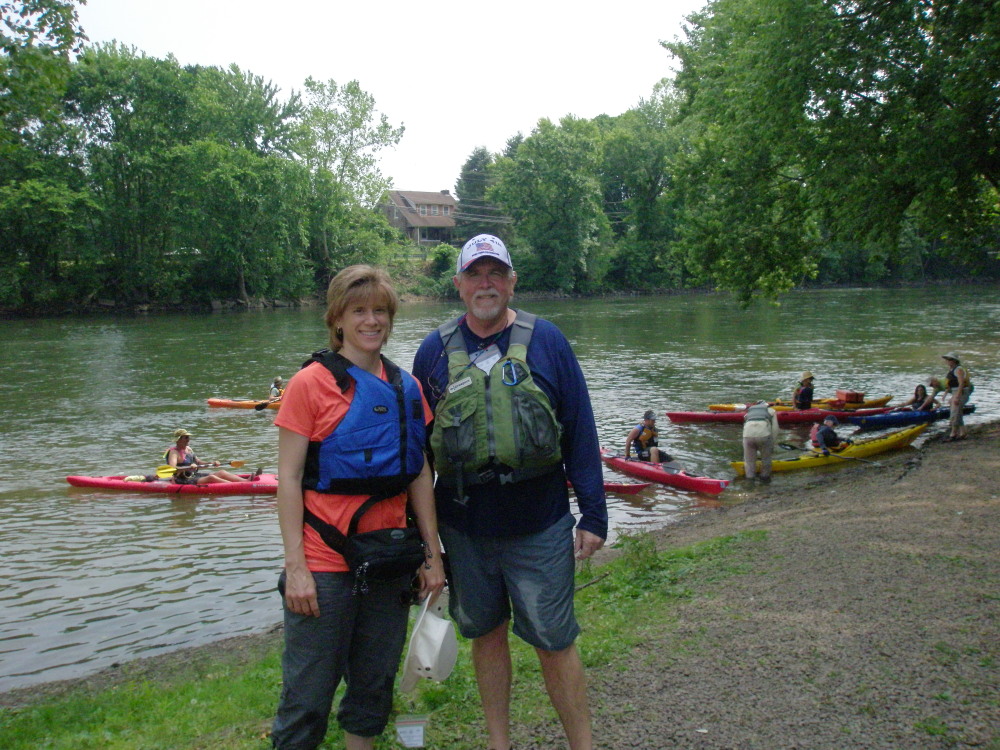
Tuesday night, June 14… This time last week I was collapsing in a recliner in my parents’ living room, recovering from a 13.7 mile paddle down the Schuylkill River from Gibralter to Pottstown’s Riverfront Park. And I was happy as a clam. (What makes clams so happy, anyway?)

I’d gotten up at the ungodly hour of 4:30am and was on the road by 5am from New Jersey to the launch in Birdsboro. I’d only ever done some recreational paddling a few times when visiting friends in Canada the past few summers, and just figured I’d tough it out for one day. How bad could it be?

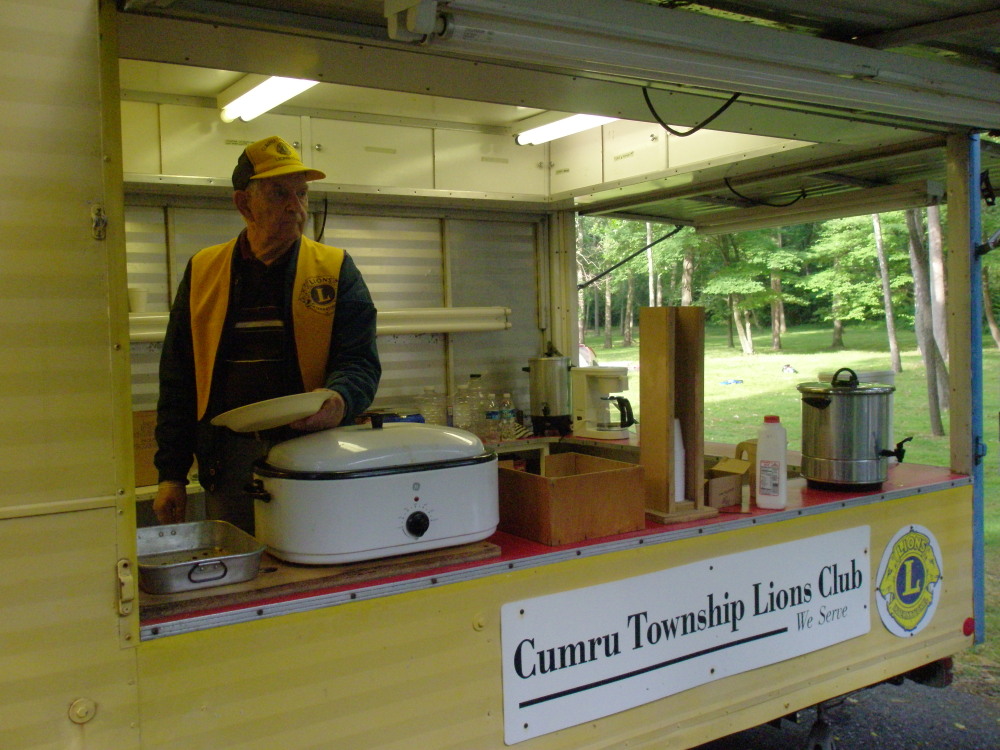
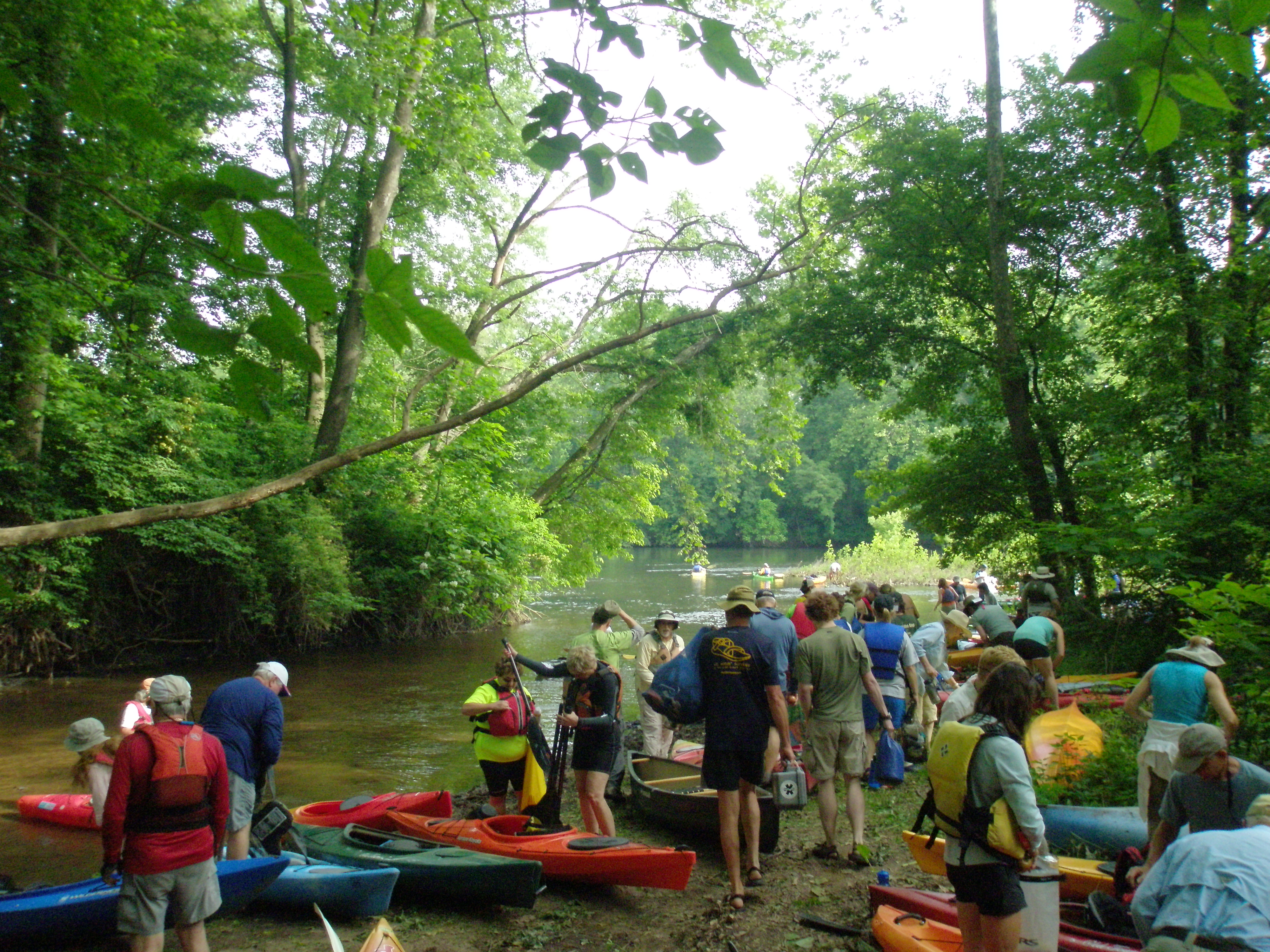
After fortifying myself with a few pancakes provided by the Cumru Township Lions Club, catching up with Tom Carroll, my consulting partner on Pottstown’s Heritage Action Plan, and his brother Mike, and meeting Carol DeWolf, Director of the Schuylkill Highlands Conservation Landscape Intitiative, and Dennis DeMara from PA’s Department of Conservation and Natural Resources, it was time to get into a kayak and literally test the waters.

I immediately drifted out into a part of the river where the current was pulling me downstream. I saw all the other paddlers patiently waiting for everyone to get into their boats, while I spun in circles and paddled furiously to keep from getting too far from the group. After 10 minutes, I was ready to call it quits for the day.

But, as would happen throughout the morning, until I got a little more instinctive with my paddle and kayak, someone knowledgeable would float over to me and offer me pointers and they had an immediate impact. By mid-morning, I was moving steadily down river with Mike from Spring City, and later joined by his brother-in-law, Mark. They were doing the entire Sojourn; it was their first time. Turns out Mike just started paddling last fall, and he’s hooked. He talked about living near the river all his life and really just discovering it recently. He’s gone so far as to buy his own camping gear, kayak and paddle – I rented mine from HRO Outfitters – and he’s been known to put in at the Spring City boat launch on the spur of the moment for a cruise on the river.

It was like this all day long – meeting friendly people, many of whom were also first-timers like me. The “experts” who floated past always had a new piece of advice for ne, and I appreciated all of it. There are plenty of paddling and certified safety professionals on the Sojourn, so you’re always in very safe company. Next year I definitely want to add at least a few days. The Schuylkill River Sojourn runs for 7 days and 6 nights; participants can do one day or the whole week. They can camp by the river or find other accommodations. The food is outstanding. We had an amazing candlelit lunch of fried chicken, pasta salad, freshly cut apples and Rita’s water ice at Morlatton Village, along with a short talk about planting native species in your Pennsylvania garden. And dinner by Bause-Landry Catering in Riverfront Park was out of this world: cornbread, fresh salads, Portabella mushroom chili (as well as the meat variety), and a massive chocolate chip cookie. I think I also wolfed down a few other things that are escaping me now…

My first time in the Schuylkill River, ever, was this past January 1st for Pottstown’s Parks & Rec Polar Bear Plunge. Now that I’ve had this kayak experience – where my whole perspective on what the river has meant to this region, since way, way back has been totally awakened – I’m looking forward to getting out there more often. It is peaceful and other-worldly and right in your own backyard. But boy was I glad to come around the bend, arms acquiver,see the Hanover Street Bridge and know that I was home.

Tom Carroll and I meet up in Riverfront Park

For $1/minute, I had a brief massage under the pavilion by Angela Wagner of the Academy of Massage Therapy and Bodyworks, located at 141 High Street in Pottstown. That definitely set the right tone for my recovery over the next couple of days.

If you want to experience the Schuylkill River Trail and River in a “peddle and paddle” event, check out the program that’s taking place on June 25th, sponsored by the Schuylkill River Heritage Area. It’s filling up fast, so sign up today!

Blog at WordPress.com.

Up ↑